
Clean Energy and Jobs: Why the U.S. Should Not Wait
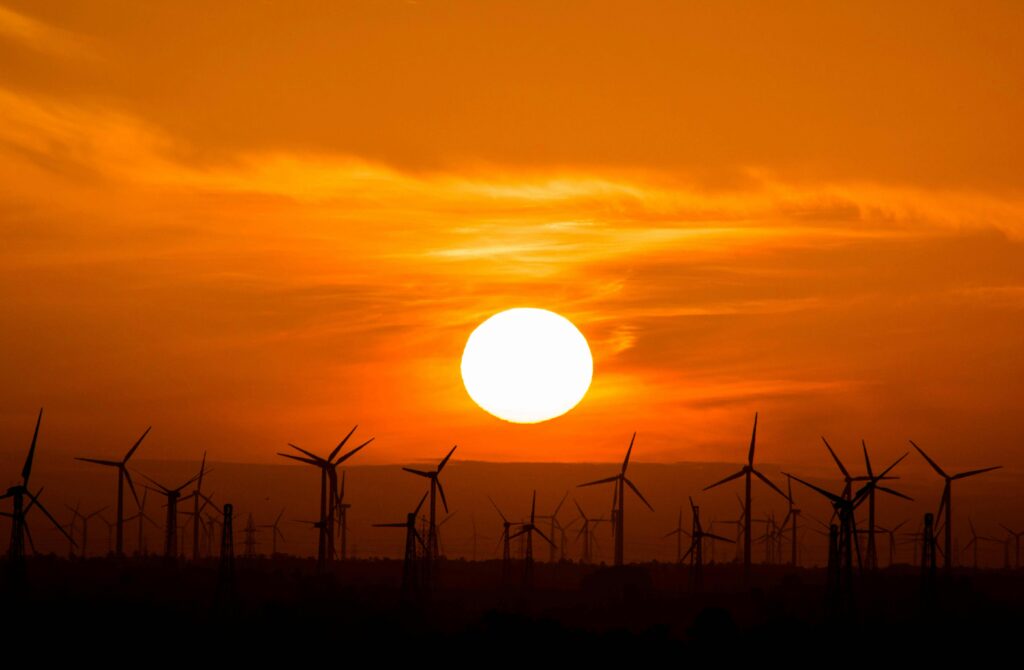
When we refer to clean energy, we mean energy sources that generate electricity or heat with minimal or no greenhouse gas emissions. These include solar, wind, hydropower, geothermal, nuclear, and advanced bioenergy. Clean energy also involves efficiency—using less energy to achieve the same results. Together, these technologies form the backbone of a low-carbon economy.
Why Do We Need Clean Energy?
The case for cleaner energy is both environmental and economic:
Advantages
- Climate protection: Renewable power helps limit global warming and extreme weather.
- Public health: Cleaner air reduces respiratory diseases and premature deaths.
- Resilience: Domestic resources reduce reliance on imported fuels.
- Competitiveness: Investing in renewables positions the U.S. at the forefront of global innovation.
- Cost trends: Solar and wind are now the cheapest sources of new electricity in many regions.
Possible Downsides
- Upfront costs: Large initial investments are required for infrastructure.
- Intermittency: Sun and wind vary, so storage and grid upgrades are needed.
- Land use: Big projects can conflict with agriculture or conservation.
- Supply chains: Many critical minerals are concentrated in a few countries.
- Skills gap: Workers need retraining as fossil fuel jobs decline.
These challenges are real, but none are insurmountable. In fact, the advantages strongly outweigh the downsides, especially when we look at how much clean energy contributes to the labor market.
Clean Energy in the U.S. Economy
Despite ups and downs, the clean energy sector continues to expand:
- The 2025 U.S. Energy & Employment Report (USEER) shows more than 8.1 million Americans now work in energy.
- Nearly 40 percent of these jobs are in clean energy industries.
- Solar power employs around 255,000 workers, wind about 120,000, and energy efficiency—retrofitting, smart systems, and appliances—over 2.2 million jobs.
- Renewables now account for about 22 percent of U.S. electricity generation, more than double their share in 2010 (U.S. EIA, 2024).
The conclusion is clear: clean energy does not only cut emissions—it is one of the fastest-growing job engines in the U.S. economy.
Strategic Challenges and Global Context
The Sustainability Trends Report (2025) warns that frequent changes in national direction risk slowing down investment. Delays in renewable projects could cost billions of dollars and undermine U.S. leadership. Meanwhile, countries like China are accelerating, installing solar at record speed and dominating supply chains for batteries and electric vehicles.
Yet, progress inside the U.S. continues. Many states, cities, and corporations remain committed to renewable goals. California, New York, and Texas lead in wind and solar, while technology companies are signing long-term clean power contracts to secure a stable supply.
A Path Forward
To sustain momentum, the U.S. needs long-term strategies built around:
- Scaling renewables through continued cost reductions in wind, solar, and geothermal.
- Investing in storage to manage intermittency.
- Retraining the workforce to move from fossil fuel industries into clean energy roles.
- Modernizing the grid to integrate distributed generation and electric vehicles.
- Boosting innovation in advanced technologies to stay globally competitive.
Conclusion
Clean energy is not just an environmental necessity—it is an economic opportunity. Its advantages clearly outweigh its challenges, and the sector already employs millions of Americans. For the U.S. economy to remain resilient and globally competitive, and for the planet to remain livable, embracing this transition is essential.
References
- U.S. Department of Energy (2025). U.S. Energy & Employment Report (USEER).
- Generation Investment Management (2025). Sustainability Trends Report.
- U.S. Energy Information Administration (2024). Electric Power Monthly.
- International Energy Agency (2024). Renewables 2024.
- Bowen, A., Kuralbayeva, K., & Tipoe, E. L. (2018). Characterising green employment: The impacts of “greening” on workforce composition. Energy Economics, 72, 263–275.
- Popp, D., Vona, F., Marin, G., & Chen, Z. (2020). The employment impact of green technological change: Evidence from U.S. local labor markets. Journal of the Association of Environmental and Resource Economists, 7(2), 361–398.